Notes & reflections
No English, No Expectations, Just Cash. Welcome to Russia.
By Siti Zulaikha Zulkiflee · 14 October 2026
Reflections on the Eastern Economic Forum 2026 · Vladivostok, Russia
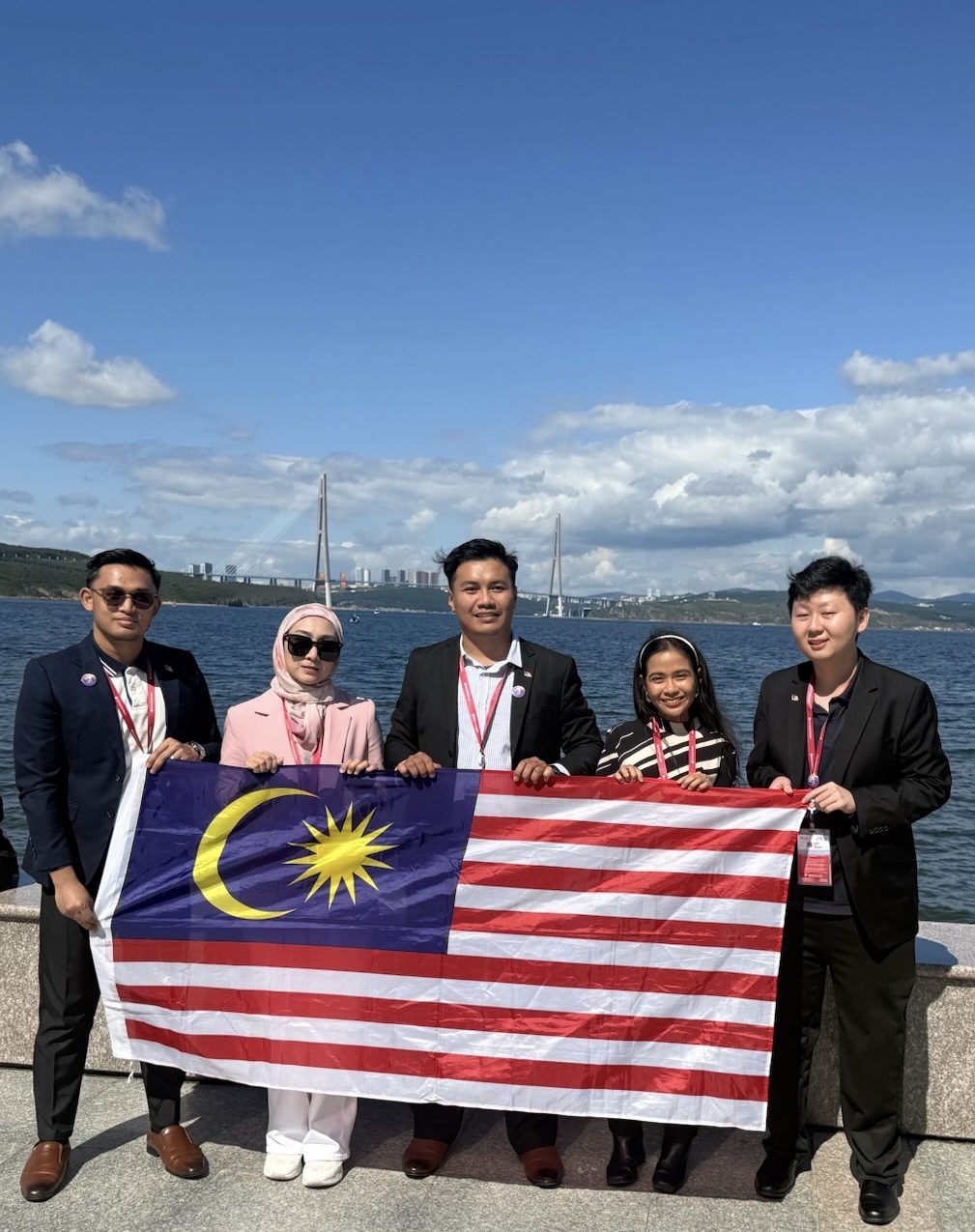
Before travelling to Vladivostok for the Eastern Economic Forum (EEF) 2026, most of what I knew about Russia came from news reports, television and the assumptions we inevitably form about places we have never experienced ourselves. I wasn't entirely sure what to expect.
Russia was known for its cold weather, but in Vladivostok, some days were surprisingly hot! Although when the wind arrived, it certainly reminded me where I was. That was probably the first of many occasions when Russia turned out to be quite different from what I had imagined.
A city that felt unexpectedly familiar
Vladivostok was beautiful in a way I hadn't anticipated. Modern buildings, sweeping bridges, mountains and the sea all seemed to exist alongside one another. At one point, crossing one of its bridges, I caught myself thinking of Putrajaya. Imagine travelling thousands of kilometres from Malaysia only to be reminded of home!
The people surprised me too. The Russians I met tended to be more direct than people back home, but I quickly learnt that directness didn't necessarily mean unfriendliness. Whenever I needed help, people were often willing to give it. And believe me, I needed help quite a few times. For starters, my international bank cards didn't work in Russia. Cash became my best friend throughout the trip.
Then there was the language barrier. I knew English wouldn't be widely spoken, but I hadn't quite appreciated how challenging that would be until I was standing somewhere trying to decipher signs written entirely in Russian. Many places had no English translations, and when internet access became unreliable, things got even more interesting. Of course, I had also made the brilliant decision not to download an offline translation pack beforehand. A lesson learnt the hard way. Yet these little inconveniences became part of the experience. They made me pay closer attention, ask for help and find ways to communicate even when we didn't share a language.
And then there was the food. I genuinely enjoyed eating my way through the trip. Trying different dishes became one of my favourite parts of exploring the city, and a reminder that sometimes the most enjoyable way to learn about a place is simply to sit down and eat.
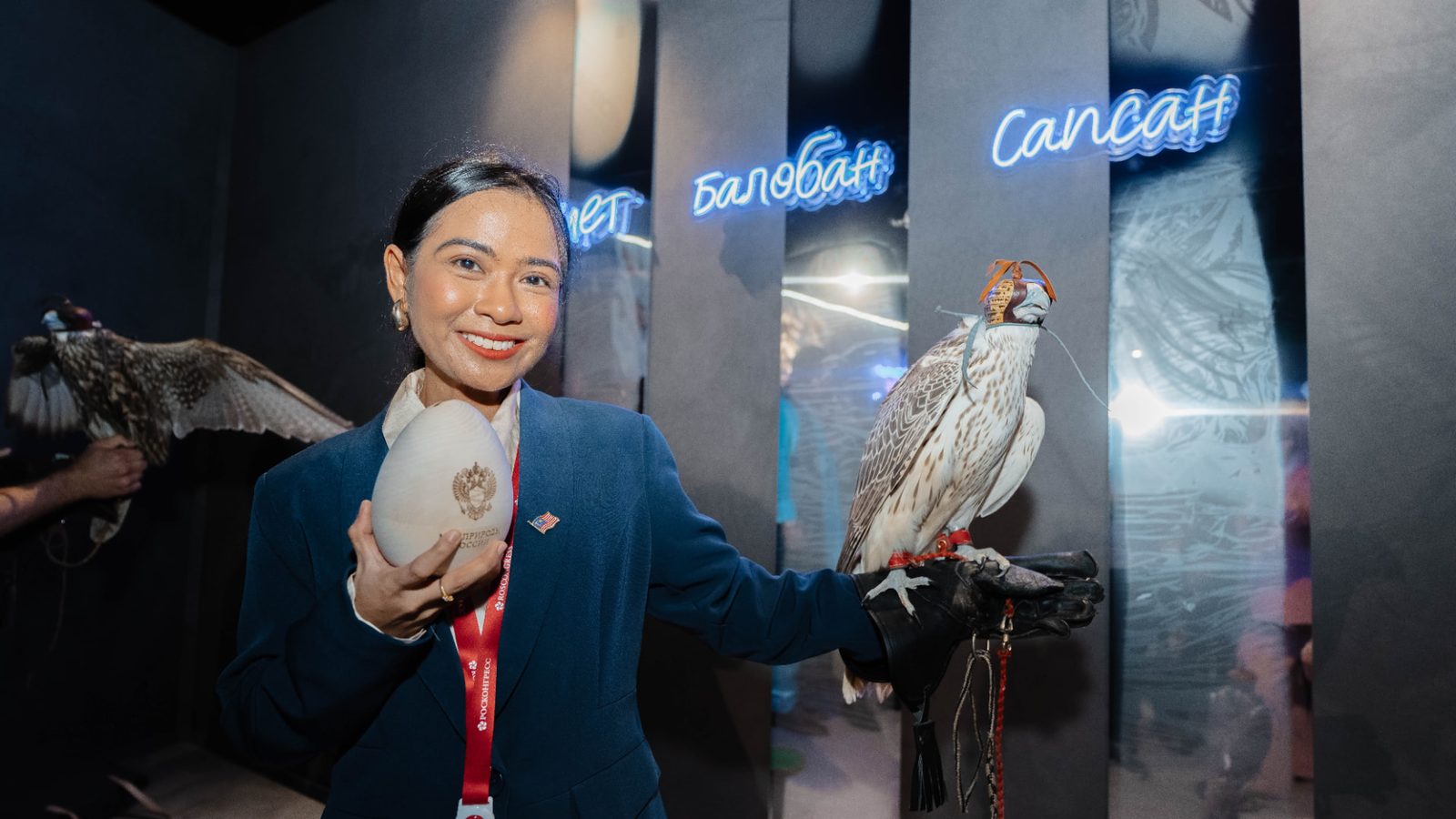
The people made the experience
As much as I enjoyed Vladivostok itself, what made the trip memorable was the people I met.
I participated through the New Generation programme, which brought together delegates from different countries. There were plenty of young professionals, each arriving with their own backgrounds, interests and perspectives. And that made the atmosphere so much more lively than I had expected from an international economic forum.
There were serious conversations, of course. But there was also laughter, curiosity, shared meals and the kind of conversations that happen when people from completely different parts of the world suddenly find themselves spending a week together. Some of us came from business, others from politics, technology and different professional fields. What I enjoyed was discovering how differently everyone approached the same questions.
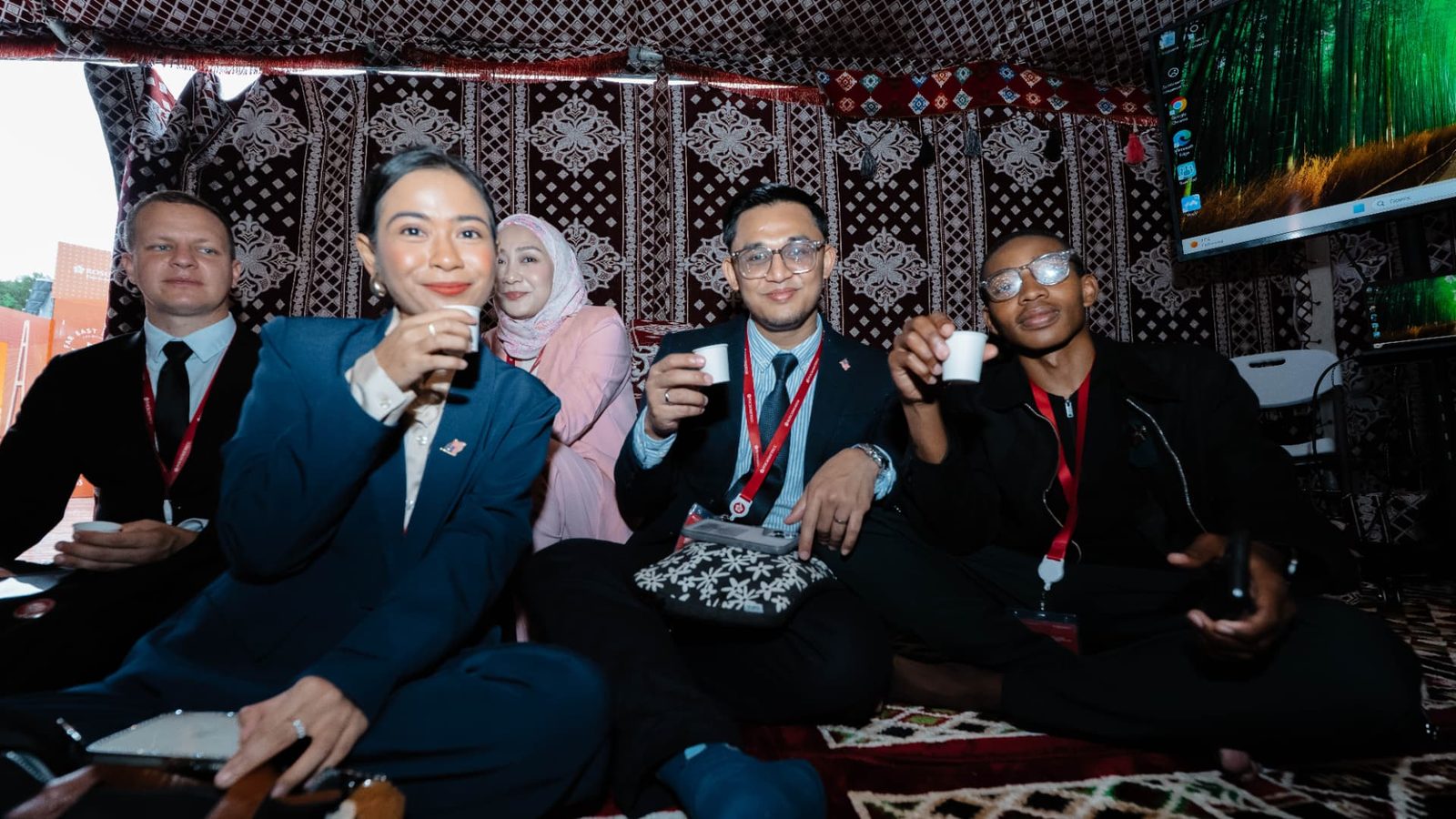
What I also loved, was how easy it was to meet people. Everyone came from such different backgrounds, and I found myself learning about countries, cultures and perspectives I probably wouldn't have encountered otherwise. And we had a lot of fun! Between the conference sessions, meals and exploring Vladivostok together, there was always something happening. I made some really good friends along the way, which was probably one of my favourite parts of the whole trip.
The Interesting Bits Weren't Always on the Agenda
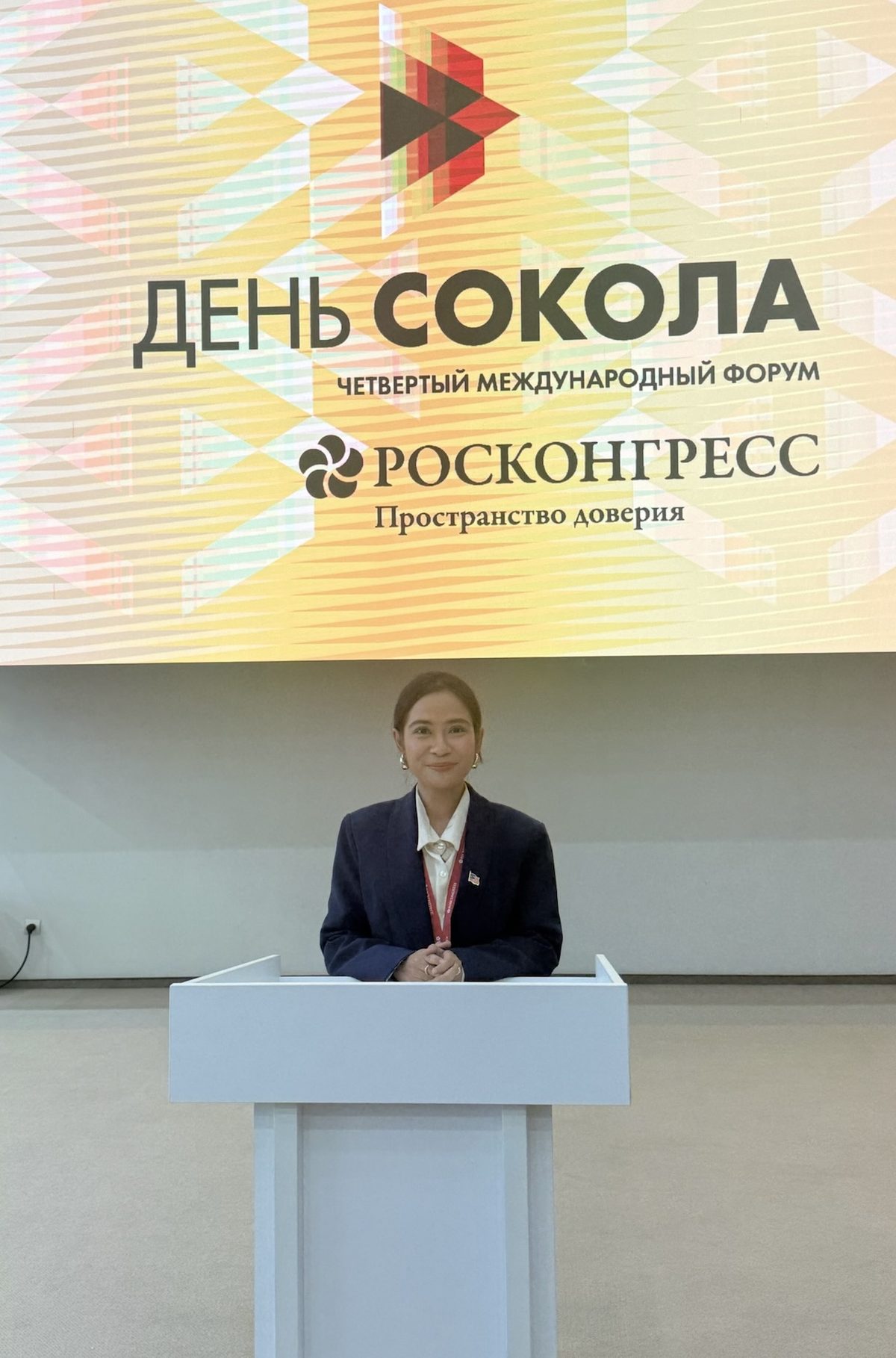
The Eastern Economic Forum was, as its name suggests, very much about economics. There were discussions about investment, regional development, artificial intelligence, emerging technologies and international cooperation. But some of my favourite conversations happened outside the formal sessions. We would begin by talking about economies, organisations or technology, and somehow wander into questions about purpose, personal growth and what it means to live a meaningful life. Even conversations about artificial intelligence eventually led us back to distinctly human questions. Who actually benefits when technology advances? How do we govern increasingly capable technologies responsibly? And as our machines become more sophisticated, are the systems surrounding them becoming wiser too?
What I'll remember
Looking back, I'm glad I went to Russia with an open mind. I loved exploring Vladivostok, trying the food, meeting people and discovering how much more complicated and interesting a place becomes once you experience it beyond the headlines. I also came away with a few very practical lessons. Carry cash. Learn a few Russian phrases. Download offline translation before travelling.
But beyond those lessons, I think the biggest thing I brought home was curiosity. Curiosity about countries I haven't visited, people whose experiences are different from mine, and how much we can learn when we spend time with those who don't necessarily see the world the way we do. I think that's what I enjoyed most about the whole experience. I went there knowing very little about what to expect, had a genuinely good time, made some wonderful friends and came home with a much longer list of places I want to visit.